
Introduction
The rapid growth of the CBD industry has made cannabis-derived products more accessible than ever. However, not all CBD is created equal—especially when it comes to legality. One of the most common areas of confusion is the difference between hemp-derived CBD and marijuana-derived CBD, particularly in states like Arizona where both substances are regulated differently.
Understanding these legal distinctions is essential for consumers, businesses, and anyone interested in cannabis wellness products. In this blog, we’ll break down how hemp and marijuana CBD differ in Arizona, what the law says, and what it means for you.
Understanding Hemp vs Marijuana: The Basics
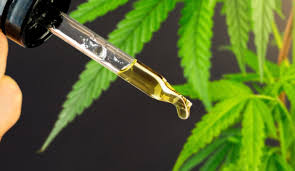
Before diving into Arizona laws, it’s important to understand what separates hemp from marijuana.
Both hemp and marijuana come from the same plant species—Cannabis sativa. The key difference lies in their chemical composition, specifically the amount of THC (tetrahydrocannabinol), the compound responsible for the “high” associated with cannabis.
- Hemp: Contains 0.3% THC or less
- Marijuana: Contains more than 0.3% THC
This small percentage difference plays a massive role in how each is regulated under the law.
CBD (cannabidiol), on the other hand, is a non-intoxicating compound found in both hemp and marijuana. However, its legal status depends entirely on the source.
Is CBD Legal in Arizona?
Yes—but with conditions.
Arizona legalized hemp-derived CBD through state legislation aligned with the 2018 Farm Bill. This means CBD products are legal if they meet specific requirements.
Hemp-Derived CBD
- Legal if it contains less than 0.3% THC
- Widely available across retail stores and online
- No strict possession limits
Marijuana-Derived CBD
- Legal only under regulated cannabis laws
- Available through licensed dispensaries
- Restricted to adults (21+) or medical marijuana patients
This distinction forms the foundation of CBD legality in Arizona.
Key Legal Differences Between Hemp CBD and Marijuana CBD in Arizona
1. THC Content Limits
The most critical legal difference is THC concentration.
- Hemp CBD must contain ≤ 0.3% THC
- Marijuana CBD can contain higher THC levels
This threshold determines whether a product is classified as hemp or marijuana under both federal and Arizona law.
2. Where You Can Buy It
Availability is another major difference.
- Hemp CBD: Sold in health stores, smoke shops, and online platforms
- Marijuana CBD: Sold only in state-licensed dispensaries
Arizona strictly regulates marijuana sales, while hemp products are far more accessible.
3. Age Restrictions
- Hemp-derived CBD: Generally no strict age requirement
- Marijuana-derived CBD: Must be 21+ or a registered medical patient
This makes hemp CBD more widely accessible to the general public.
4. Regulation and Oversight
Marijuana products are subject to tighter control:
- Mandatory testing
- Licensed distribution channels
- Strict labeling and compliance rules
Hemp CBD, while legal, operates under comparatively lighter regulations, though oversight has increased in recent years.
5. Intoxicating Effects
- Hemp CBD: Non-intoxicating
- Marijuana CBD: May produce mild psychoactive effects due to higher THC content
Arizona law increasingly focuses on preventing intoxicating hemp products from bypassing cannabis regulations.
Arizona’s Crackdown on Intoxicating Hemp Products
In recent years, regulations around CBD in Arizona have tightened, particularly targeting hemp-derived products that replicate the effects of marijuana.
Some manufacturers began creating “hemp-derived THC” products (like Delta-8) that could produce a high while technically staying within federal hemp guidelines. This created legal confusion and enforcement challenges.
As of 2025–2026:
- Arizona has moved to restrict intoxicating hemp products
- Products with psychoactive effects may require dispensary-level regulation
- Authorities are focusing on keeping THC-containing products within the licensed cannabis system
This shift highlights the state’s effort to close loopholes and ensure consumer safety.
Licensing and Cultivation Laws
Arizona also differentiates hemp and marijuana at the production level.
Hemp
- Legal to grow with proper licensing
- Regulated by the Arizona Department of Agriculture
- Used for industrial and CBD production
Marijuana
- Cultivation allowed only for licensed operators or limited personal use (under specific conditions)
- Highly regulated industry
Why the Distinction Matters for Consumers
Understanding the difference between hemp and marijuana CBD isn’t just about legality—it also impacts:
Product Safety
Marijuana products undergo stricter testing, while hemp products vary in quality.
Accessibility
Hemp CBD is easier to buy, making it more convenient for everyday use.
Intended Use
- Hemp CBD: Wellness, relaxation, non-intoxicating benefits
- Marijuana CBD: May include therapeutic effects with mild psychoactivity
Legal Risk
Buying the wrong type of product from an unlicensed source could lead to legal complications.
Federal vs State Law: The Bigger Picture
The legal landscape doesn’t stop at Arizona.
- The 2018 Farm Bill legalized hemp nationwide
- States like Arizona can impose additional restrictions
- Federal and state laws continue to evolve, especially around THC derivatives
Recent developments show increasing efforts to regulate or even restrict certain hemp-derived cannabinoids, particularly those designed to produce intoxicating effects.
Also Read: How CBD Oil May Influence Stress Hormones
Final Thoughts
The difference between hemp CBD and marijuana CBD in Arizona comes down to more than just plant type—it’s about THC levels, regulation, accessibility, and legal classification.
In simple terms:
- Hemp CBD = Legal, non-intoxicating, widely available
- Marijuana CBD = Regulated, restricted, potentially psychoactive
As laws continue to evolve, staying informed is essential. Whether you’re a consumer or a business owner, understanding these distinctions can help you make safer, smarter, and fully compliant choices in Arizona’s growing CBD market.