
Introduction
In today’s fast-paced world, finding effective ways to relax has become increasingly important. Work responsibilities, family commitments, financial concerns, and constant digital connectivity can leave many people feeling stressed and overwhelmed. As a result, natural wellness solutions have gained significant attention, with CBD oil emerging as one of the most popular options.
Many users turn to CBD oil as part of their daily relaxation routine, hoping to promote calmness and support overall well-being. But how does CBD oil work, and what benefits can it potentially offer for relaxation? Understanding the science behind CBD can help consumers make informed decisions about incorporating it into their lifestyle.
What Is CBD Oil?
CBD, or cannabidiol, is a naturally occurring compound found in the cannabis plant. Most commercially available CBD oil is derived from hemp, a variety of cannabis that contains only trace amounts of THC.
Unlike THC, CBD does not produce intoxicating effects or a “high.” Instead, it interacts with various systems in the body that help regulate mood, stress responses, sleep, and overall balance.
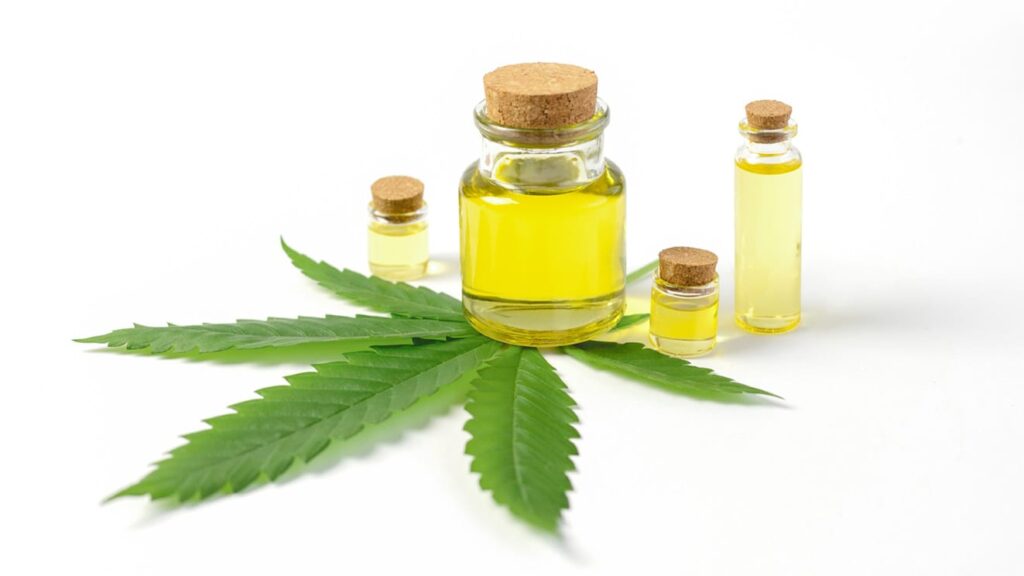
CBD oil is typically created by extracting cannabidiol from hemp plants and blending it with a carrier oil such as coconut oil, hemp seed oil, or MCT oil.
Why Relaxation Matters for Overall Health
Relaxation is often viewed as a luxury, but it is actually a critical component of physical and mental health.
When the body experiences ongoing stress, it may affect:
- Sleep quality
- Energy levels
- Mood stability
- Immune function
- Concentration
- Physical recovery
Without adequate relaxation, chronic stress can gradually impact overall wellness. This is why many people actively seek ways to unwind and support their body’s natural recovery processes.
Understanding the Endocannabinoid System
To understand how CBD oil may support relaxation, it is important to explore the body’s endocannabinoid system (ECS).
The ECS is a network of receptors, signaling molecules, and enzymes that helps maintain internal balance. It influences numerous bodily functions, including:
- Mood regulation
- Sleep cycles
- Stress response
- Pain perception
- Emotional processing
The ECS continuously works to keep these systems functioning properly despite daily challenges and environmental stressors.
CBD interacts indirectly with this system, potentially helping it perform its balancing role more effectively.
How CBD Oil May Promote Relaxation
CBD does not act as a sedative in the traditional sense. Instead, it may support relaxation through several mechanisms.
1. Supporting Emotional Balance
One of CBD’s most widely discussed effects is its potential influence on mood regulation.
Research suggests CBD may interact with serotonin receptors in the brain. Serotonin is a neurotransmitter associated with feelings of well-being, emotional stability, and calmness.
By supporting serotonin activity, CBD may help individuals feel more relaxed and emotionally balanced.
2. Helping Manage Everyday Stress
Modern life often involves numerous stressors, from work deadlines to personal responsibilities.
Many users report that CBD helps them:
- Feel less overwhelmed
- Maintain composure during stressful situations
- Recover more quickly from daily stress
While individual experiences vary, these effects contribute to CBD’s popularity as a wellness supplement.
3. Encouraging Mental Calmness
Relaxation often involves quieting a busy mind. Constant mental activity can make it difficult to unwind, particularly at the end of a long day.
CBD may help support a calmer mental state by promoting balance within systems involved in stress regulation.
This does not necessarily mean eliminating thoughts or emotions but rather supporting a more manageable response to them.
CBD Oil and Sleep Support
Relaxation and sleep are closely connected.
Many people struggle to fall asleep because stress and racing thoughts prevent them from winding down. While CBD is not a traditional sleep aid, it may indirectly support better sleep by promoting relaxation.
Potential sleep-related benefits include:
- Helping the mind settle before bedtime
- Supporting relaxation after a stressful day
- Encouraging a more comfortable sleep environment
Improved relaxation often leads to healthier sleep habits over time.
Physical Relaxation and Recovery
Mental relaxation is only one aspect of wellness. Physical tension can also contribute to feelings of discomfort and stress.
CBD may help support physical relaxation by influencing systems involved in:
- Muscle recovery
- Inflammatory responses
- Overall comfort
Many athletes and active individuals incorporate CBD oil into their recovery routines for this reason.
When physical discomfort decreases, relaxation often becomes easier to achieve.
Benefits of Incorporating CBD Oil into a Relaxation Routine
Many users choose to include CBD oil as part of their daily wellness practices.
Potential benefits may include:
1. Supporting Daily Calmness
Regular use may help maintain a sense of balance throughout the day.
2. Promoting Work-Life Balance
Professionals facing demanding schedules often seek natural ways to unwind after work.
3. Encouraging Mindful Living
CBD can complement activities such as:
- Meditation
- Yoga
- Deep breathing exercises
- Reading
- Evening self-care routines
4. Supporting Recovery After Stressful Periods
Busy weeks, travel, and major life events can create additional stress. CBD may help support relaxation during these periods.
Different Ways to Use CBD Oil
The method of consumption can affect how quickly CBD takes effect and how long the effects may last.
1. Sublingual Oils
CBD oil is commonly placed under the tongue and held for 30 to 60 seconds before swallowing.
Benefits include:
- Faster absorption
- Greater bioavailability
- More predictable effects
2. Gummies and Edibles
CBD gummies offer convenience and ease of use.
Effects may take longer to appear because digestion is involved, but they often last longer.
3. Capsules
Capsules provide consistent servings and fit easily into daily supplement routines.
4. Topical Products
While topicals are primarily used for localized support, some users include them in broader relaxation and recovery practices.
Factors That Influence Results
CBD affects everyone differently.
Several factors can influence individual experiences:
1. Body Weight
Body composition may affect how CBD is processed.
Metabolism
Individuals with faster metabolisms may experience different absorption rates.
2. Product Quality
High-quality, lab-tested products often provide more reliable outcomes.
3. Dosage
Finding an appropriate serving size may require experimentation and patience.
4. Consistency
Many users report better results with regular use rather than occasional use.
Choosing a Quality CBD Oil
The effectiveness of CBD oil depends significantly on product quality.
When shopping for CBD oil, look for:
- Third-party laboratory testing
- Transparent ingredient lists
- Clearly labeled cannabinoid content
- Certificates of analysis (COAs)
- Positive customer reviews
Avoid products that make unrealistic health claims or lack testing documentation.
Is CBD Oil Safe?
CBD is generally considered well tolerated by most adults.
Some individuals may experience mild side effects such as:
- Dry mouth
- Drowsiness
- Changes in appetite
- Digestive discomfort
These effects are usually temporary and may depend on dosage and individual sensitivity.
Anyone taking medications should consult a healthcare professional before starting CBD.
Building a Relaxation Routine with CBD
CBD often works best when combined with healthy lifestyle habits.
A relaxation-focused routine might include:
- Consistent sleep schedules
- Regular physical activity
- Healthy nutrition
- Stress management techniques
- Mindfulness practices
- CBD oil as a supportive wellness tool
Combining multiple healthy habits may create a stronger foundation for long-term well-being.
Also Read: How CBD Oil May Support Everyday Wellness in Delaware
Final Thoughts
CBD oil has become a popular option for individuals seeking natural ways to support relaxation and manage everyday stress. By interacting with the body’s endocannabinoid system and other regulatory pathways, CBD may help promote emotional balance, mental calmness, physical comfort, and overall wellness.
While results vary from person to person, many users find that CBD oil fits well into a comprehensive relaxation routine that includes healthy lifestyle habits. As research continues to expand, our understanding of CBD’s potential role in supporting relaxation and well-being will likely continue to grow.